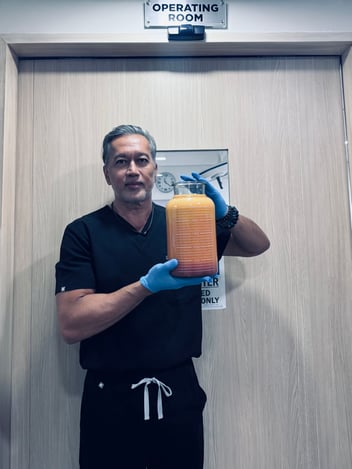
As a board-certified Plastic Surgeon, I’ve performed hundreds of liposuction procedures, and it’s one of the most rewarding tools we have for helping patients achieve refined, natural-looking body contours. Often misunderstood as a weight-loss solution, liposuction is actually a precise body-sculpting procedure that targets stubborn fat deposits resistant to diet and exercise.
In this post, I’ll walk you through what liposuction really involves in 2026, its benefits, modern techniques, recovery expectations, potential risks, and who makes an ideal candidate. My goal is to provide transparent, evidence-based information so you can make an informed decision.
What Is Liposuction?
Liposuction (also called lipoplasty or suction-assisted lipectomy) removes unwanted fat cells through small incisions using a thin tube called a cannula. The fat is permanently removed from treated areas—those cells don’t come back. However, remaining fat cells can still enlarge if significant weight gain occurs, so long-term results depend on maintaining a stable, healthy lifestyle.
It’s not a substitute for weight loss or a treatment for obesity. Instead, it’s ideal for contouring specific zones like the abdomen, flanks (“love handles”), thighs, back, arms, neck (submental area), or chest in men (for gynecomastia).
Key Benefits of Liposuction
Patients often experience transformative improvements in body shape and self-confidence. Common advantages include:
• Permanent removal of stubborn fat pockets that don’t respond to lifestyle changes
• Enhanced body proportions and smoother contours
• Minimal scarring (incisions are typically 3–5 mm and fade significantly)
• Boost in self-esteem and motivation for healthier habits
• Ability to combine with other procedures (e.g., tummy tuck or fat grafting)
Many patients report that seeing their new silhouette motivates sustained fitness and nutrition improvements.
Modern Liposuction Techniques in 2026
Technology has advanced dramatically. While traditional suction-assisted liposuction remains effective, most practices (including mine) now favor enhanced methods that reduce trauma, improve precision, and often provide skin-tightening benefits.
• Tumescent Liposuction — Still the foundation: a large volume of saline with lidocaine and epinephrine is injected to numb the area, minimize bleeding, and swell fat cells for easier removal.
• Power-Assisted Liposuction (PAL) — Uses a vibrating cannula for faster, more controlled fat extraction with less surgeon fatigue and potentially less swelling/bruising.
• Laser-Assisted Liposuction (LAL) — Laser energy melts fat and stimulates collagen for noticeable skin tightening—popular for areas with mild laxity (e.g., abdomen, arms).
• Ultrasound-Assisted Liposuction (UAL/VASER) — Ultrasound energy breaks up fibrous fat (great for back, flanks, or male chest) while preserving surrounding tissues; VASER often delivers excellent definition in “high-definition” sculpting.
• Radiofrequency-Assisted or water-jet systems — Emerging options for even gentler tissue handling and sometimes better fat cell viability if grafting is planned.
In 2025–2026, many of us combine these (e.g., VASER + RF) for customized results with shorter downtime—often 30–50% faster recovery than traditional methods alone.
What Recovery Really Looks Like
Recovery is smoother than many expect, especially with modern techniques.
• First 1–3 days — Rest, manage mild discomfort with prescribed medication, wear compression garments 24/7.
• Week 1 — Most return to desk work in 3–7 days (faster with smaller areas or advanced methods).
• Weeks 2–4 — Light activities resume; swelling and bruising peak then subside.
• 1–3 months — Visible contour improvement as swelling resolves.
• 6 months — Final results emerge; skin continues to tighten.
Tips for smooth healing: stay hydrated, walk gently to promote circulation, avoid heavy lifting/strenuous exercise for 4–6 weeks, and attend all follow-ups. Compression garments are non-negotiable—they reduce swelling and help skin adapt to new contours.
Potential Risks and Safety Considerations
Liposuction has an excellent safety profile when performed by a qualified, board-certified plastic surgeon in an accredited facility. Still, all surgery carries risks:
• Common (usually mild): bruising, swelling, temporary numbness, contour irregularities
• Less common: infection, bleeding, seroma (fluid collection), changes in skin sensation
• Rare but serious: deep vein thrombosis, reaction to anesthesia, fat embolism
In 2025+, stricter guidelines emphasize safe fat-removal limits, proper facility accreditation, and thorough patient screening. Choosing an experienced surgeon dramatically reduces complications.
Who Is a Good Candidate?
Ideal candidates are:
• Near or at a stable, healthy weight (BMI typically <30–32)
• In good overall health without uncontrolled medical conditions
• Non-smokers (or willing to quit temporarily)
• Realistic about results—seeking contouring, not dramatic weight loss
• Committed to maintaining results through lifestyle
During consultation, we assess skin elasticity, fat distribution, and goals to determine if liposuction (or perhaps combined with skin excision) is right for you.
Final Thoughts
Liposuction remains one of the most popular and consistently satisfying procedures because it delivers targeted, lasting contour improvement when performed thoughtfully. With today’s techniques, patients enjoy quicker recovery, less discomfort, and often better skin quality than ever before.
If you’re frustrated by stubborn areas despite your best efforts at diet and exercise, a personalized consultation can clarify whether liposuction could help you feel more confident in your body. I’m happy to answer questions or discuss your specific concerns—feel free to reach out.
Results vary by individual. Always consult a board-certified plastic surgeon for personalized advice.
What are your thoughts on liposuction? Have you considered it, or do you have questions about a particular area or technique? I’d love to hear in the comments.